

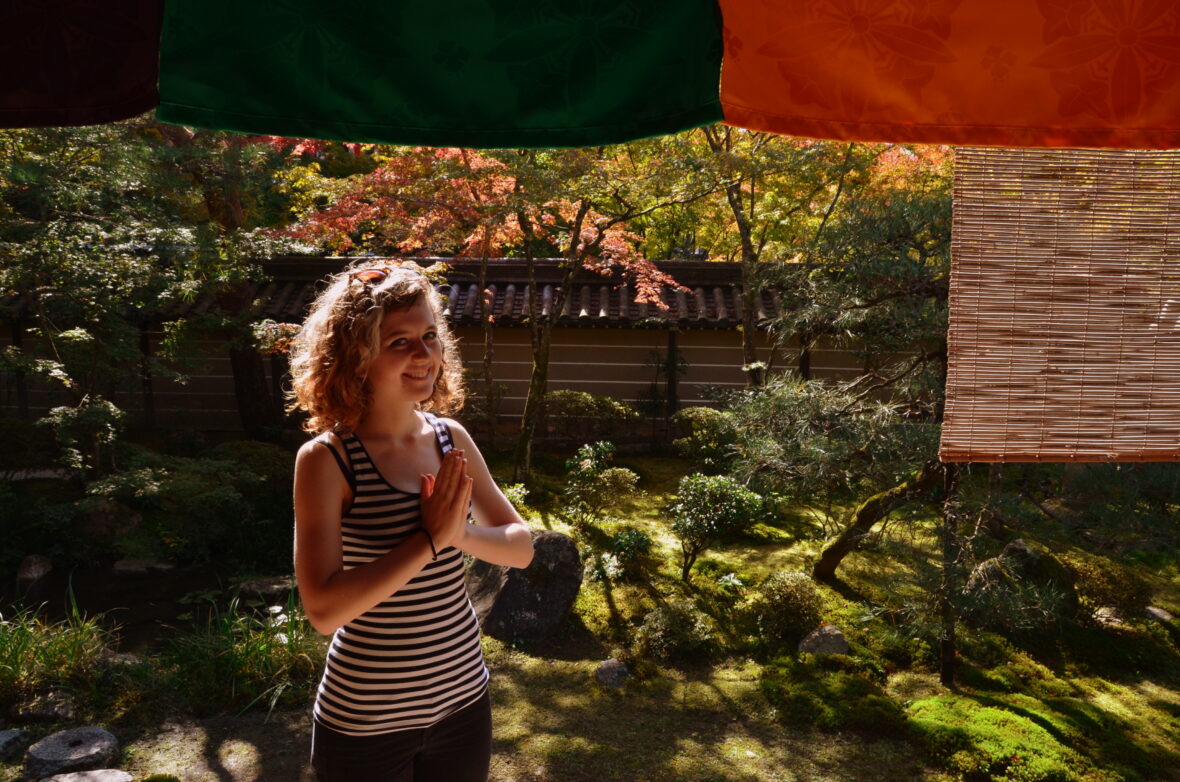
Are you planning a trip to Japan and wondering what to expect? Look no further! In this blog post, we’ll go over the most important things you need to know before visiting the land of the rising sun.
To get the inside scoop, we asked our Japanese friends for their best tips and advice. Here’s what they said:
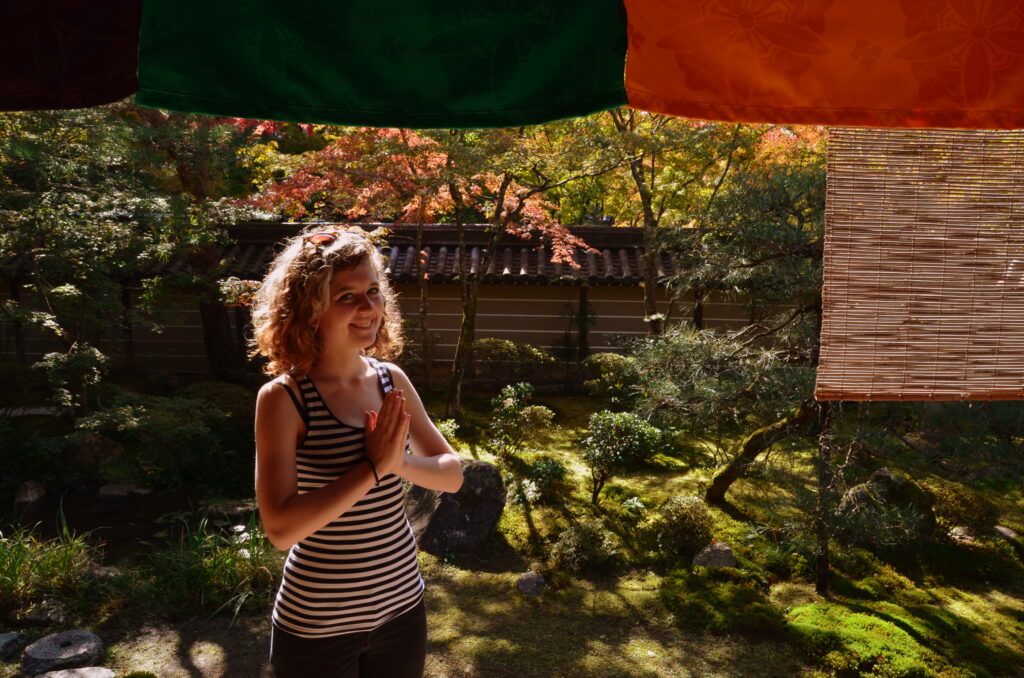
A guide to public etiquette in Japan
Japan is known for its polite and reserved culture. To have an authentic time in Japan, it is important to be mindful of your behaviour in public. Here are a few things to keep in mind:
- Keep your voice down. Japanese people are generally very calm and quiet, and they appreciate it when others are as well. So when you’re out and about in public places like the subway or restaurants, try to keep your voice at a reasonable volume.
- Don’t eat or make phone calls on public transport. While it’s generally okay to eat on long bus rides or the shinkansen (just avoid smelly or noisy food), it is considered impolite to eat on the subway. The same goes for making phone calls.
- Wear a mask if you’re sick. It’s common for people in Japan to wear surgical masks if they are feeling under the weather. This is seen as a way to prevent the spread of illness to others. To learn more about the cultural significance of surgical masks in Japan, check out this article: https://japantoday.com/category/features/lifestyle/why-do-japanese-people-wear-surgical-masks-its-not-always-for-health-reasons.
- Take off your shoes. When entering someone’s home or certain temples and shrines, it is customary to remove your shoes and wear slippers provided.
- Don’t blow your nose in public. Blowing your nose in public is considered impolite in Japan. If you need to blow your nose, it’s best to step away from others or do it privately.
- Don’t write in red ink. In Japan, red ink is reserved for corrections and is considered unlucky. It’s best to use black or blue ink when writing.
- Don’t give gifts with four items. The number four is pronounced “shi,” which is similar to the word for death. As a result, giving gifts in sets of four is considered unlucky.
- Don’t pour your own drink. When drinking with others, it is customary to pour for others and have them pour for you. Pouring your own drink is seen as self-centered.
Dining etiquette
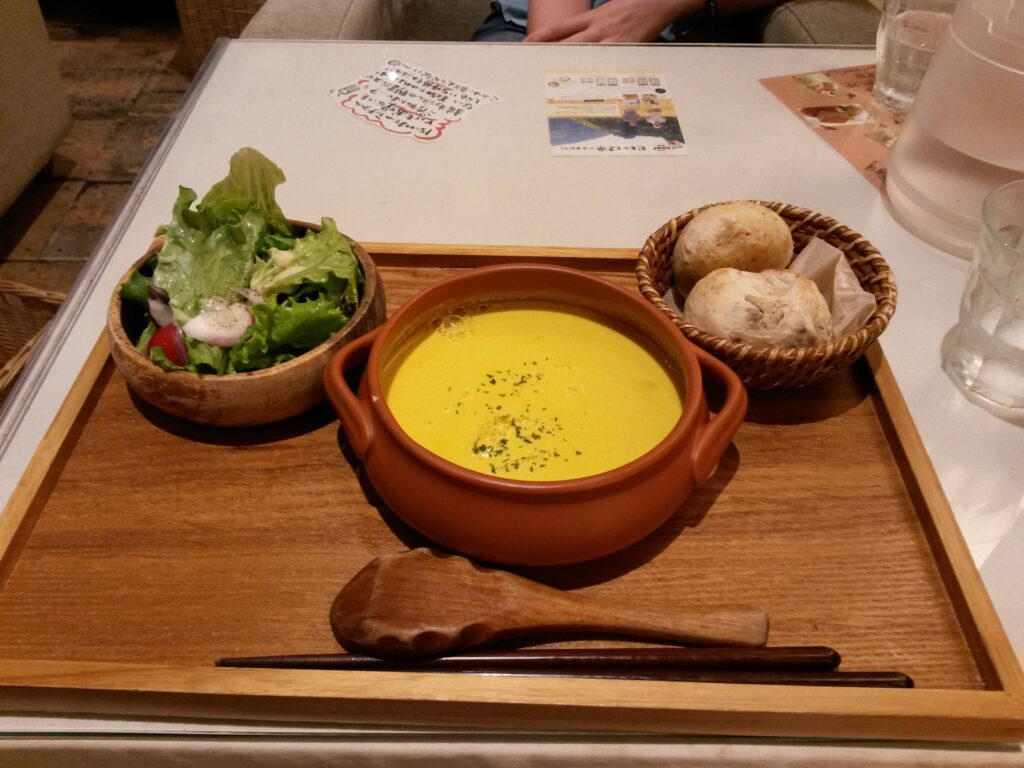
To add to this, we also compiled a few tips to help you navigate Japanese restaurant culture:
- Avoid sticking your chopsticks straight up in a bowl of rice. This is known as tsukitate-bashi, a gesture reserved for the funeral ritual where a bowl of rice with straight chopsticks is placed on an altar.
- Don’t pass food from chopsticks to chopsticks. This is another funeral tradition, where the bones of the deceased are passed in this way.
- Leave your tipping habits at home! While some small bars and establishments may accept tips, it is still not a widespread practice.
- Pay at the counter. In Japan, it is common to pay at the counter rather than at the table. So when you receive the receipt at your table, simply take it with you and pay at the counter on your way out. This is a convenient practice that you may want to adopt elsewhere as well!
For more information on dining etiquette in Japan, check out this helpful guide: https://www.japan-guide.com/e/e2005.html
Other considerations for a smooth trip in Japan
In Japan, respect for local customs and traditions is very important. Japan has a rich culture with a long history and people are very proud of it. To show you’re interested to learn more about the culture and traditions, I can recommend you learn a few basic phrases. While English is widely spoken in tourist areas, it’s always appreciated when visitors make an effort to speak the local language.
Even though Covid had it’s impact, Japan is still a very crowded country so be prepared for crowds. It’s not uncommon to find yourself in a crowded train or shopping district. It’s best to go with the flow and try to stay calm in these situations.
And a more practical, last recommendation – get a rail pass for a short visit. If you’re planning on traveling around Japan, a rail pass can save you a lot of time and money. Just make sure to plan your trip in advance to get the most out of your pass.
With these tips in mind, you’ll be well-prepared for your trip to Japan. Whether you’re exploring the bustling streets of Tokyo or soaking in the tranquility of a mountain hot spring, you’ll be able to fully enjoy all that Japan has to offer. If you have any more tips to share, let me know in the comments!


One Comment
Pingback:
March 3, 2023 at 8:23 am